Tāne’s Tree Trust Documents

  • About
  • TTT home

Establishing Native Forests

Download PDF
Tāne’s Tree Trust
Establishing Native Forests

Establishing Native Forests

Tāne’s Tree Trust Factsheet Series

Transitioning pine plantations to native forest

Factsheet 19, 2026 – by Meg Graeme, Paul Quinlan, Mike Bergin & David Bergin

Refer to the other factsheets in this series for more about successfully establishing native forests.

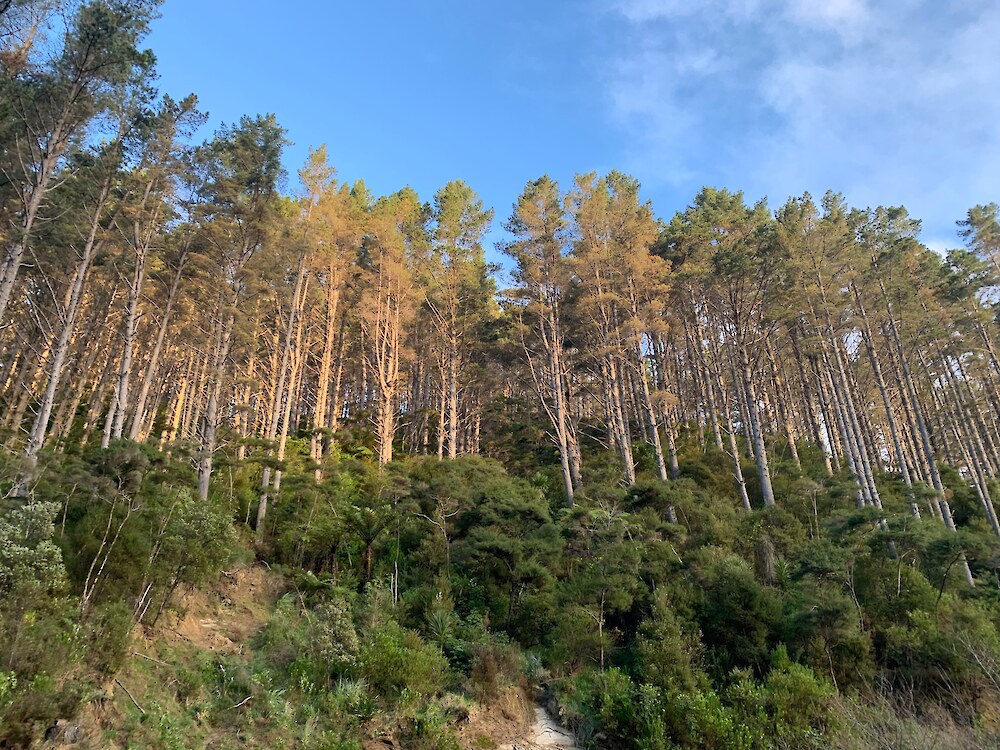
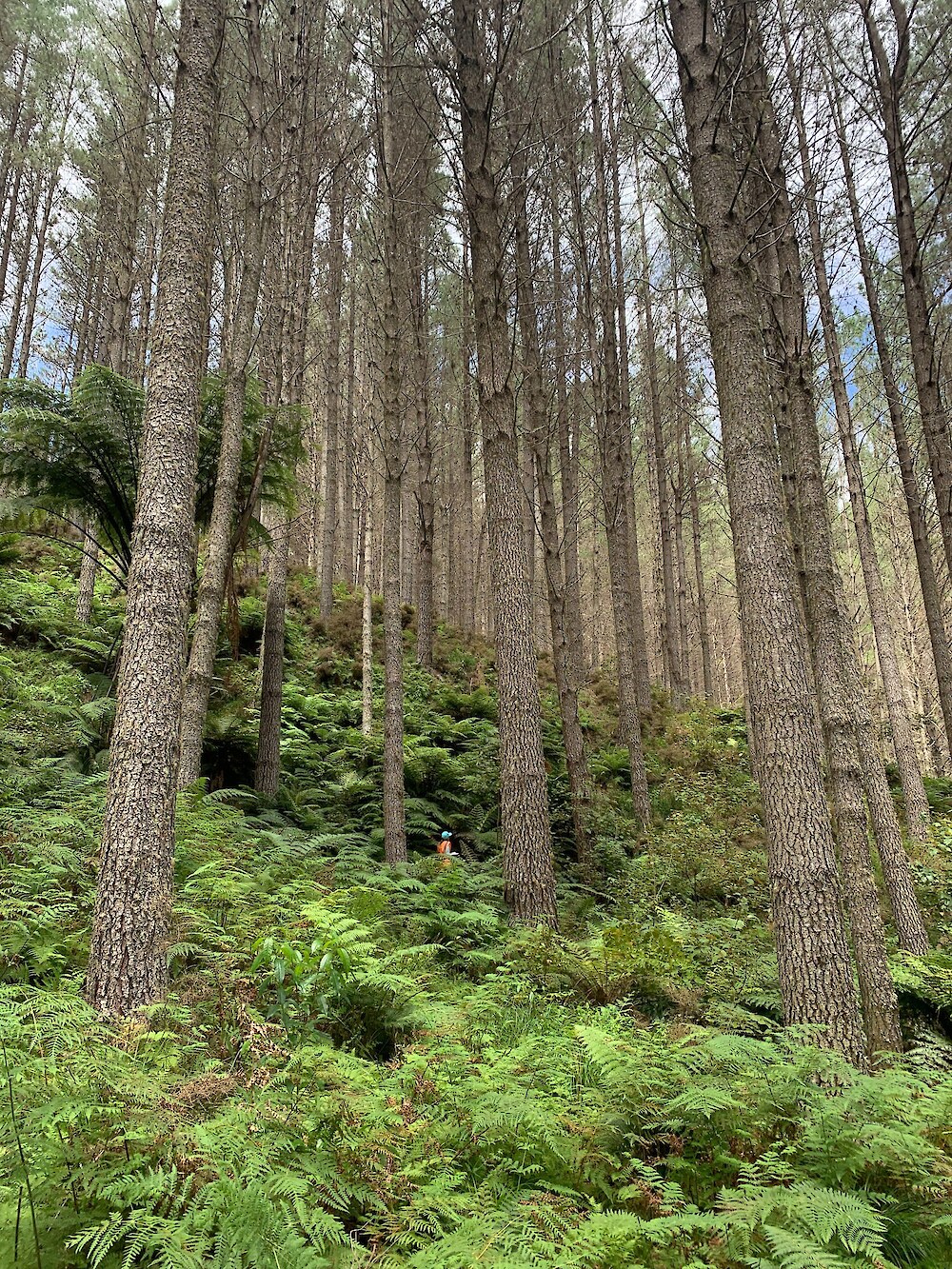
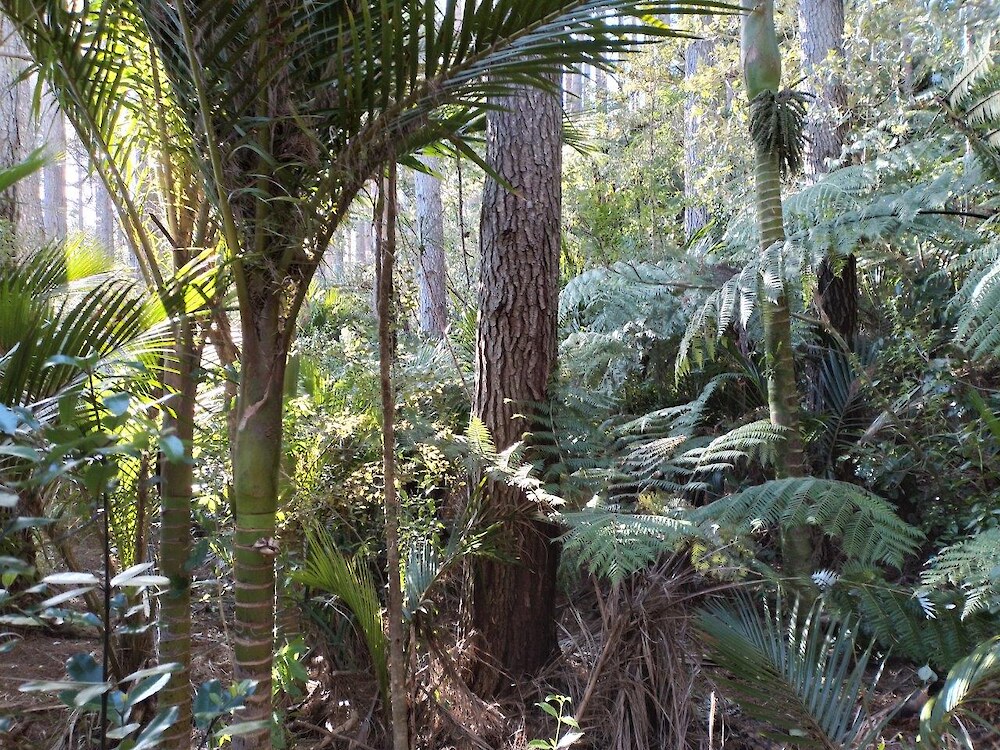
Dense native understorey within a mature radiata pine plantation, Tairāwhiti/East Coast, North Island. The understorey is dominated by tree ferns and shade-tolerant native broadleaved shrub and subcanopy species.

Dense native understorey within a mature radiata pine plantation, Tairāwhiti/East Coast, North Island. The understorey is dominated by tree ferns and shade-tolerant native broadleaved shrub and subcanopy species.

Introduction

Clear-fell harvesting of radiata pine plantations on steep, erosion-prone hill country can be environmentally risky or uneconomic. Severe storms have exposed these risks by triggering landslides and mobilising woody debris that can threaten downstream communities and ecosystems. Maintaining continuous forest cover is increasingly seen as a more resilient alternative.

Transitioning unharvested pine forests into diverse native forest can reduce these risks while improving catchment stability, aquatic health, biodiversity, long-term carbon storage and landscape resilience.
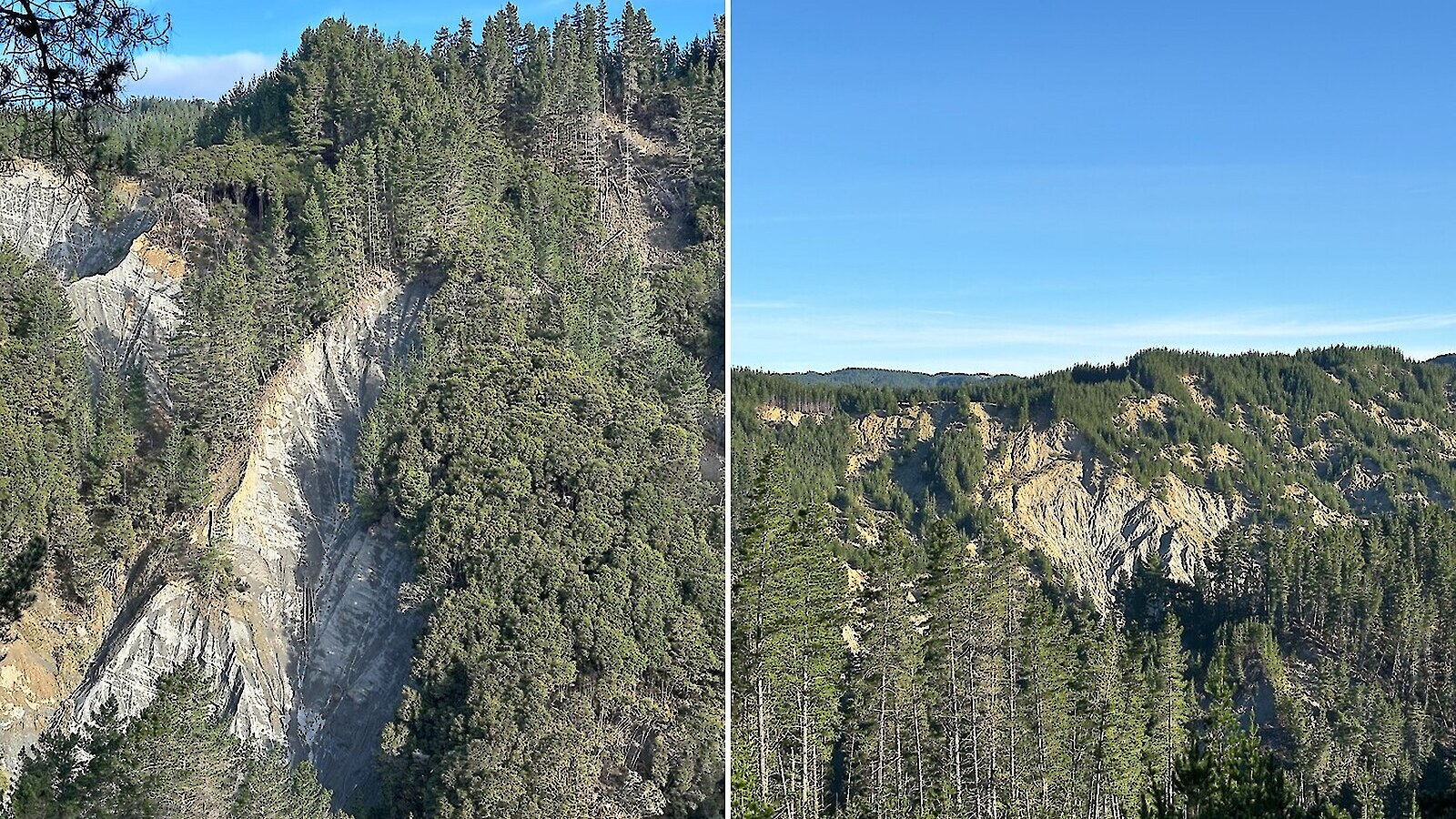
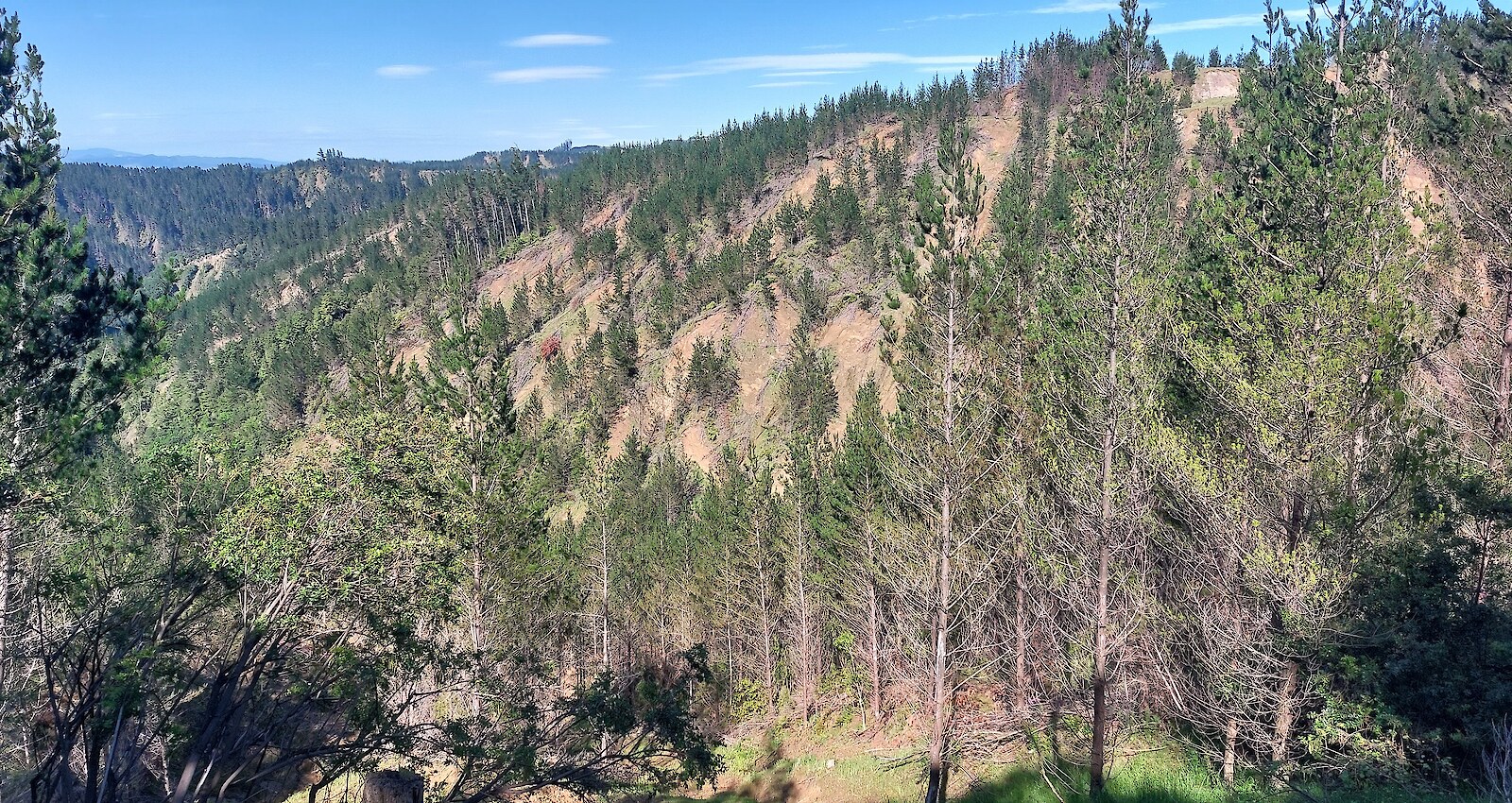
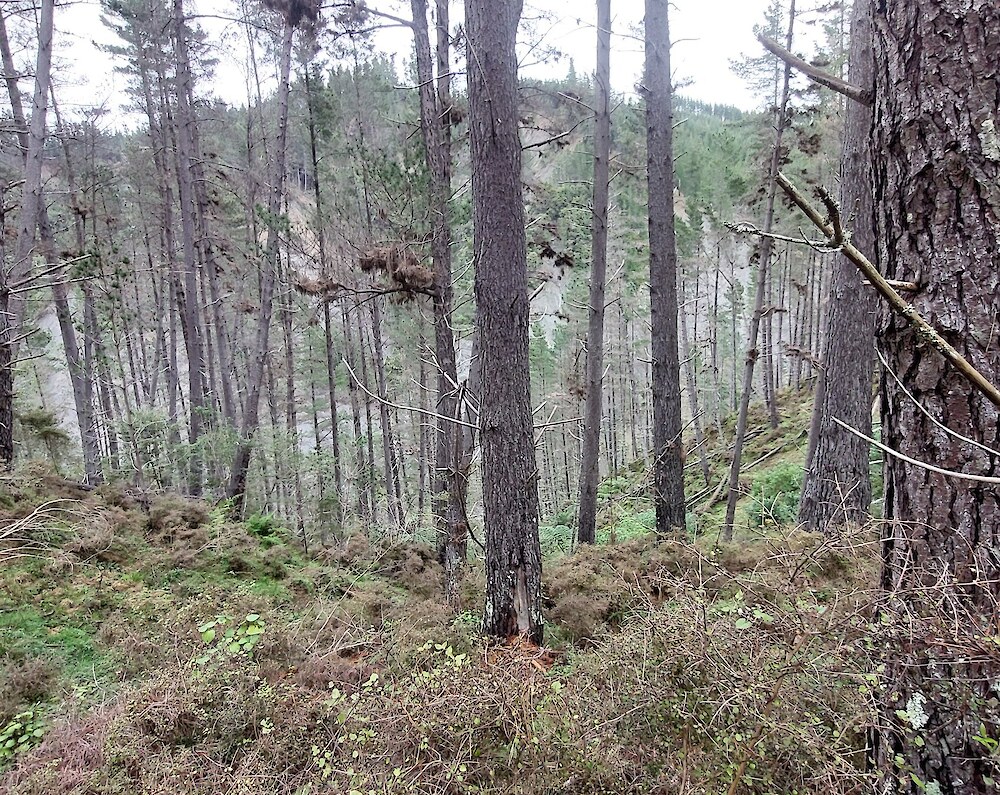
Severe gully erosion following major storm events, Tairāwhiti/East Coast. Many pine plantations on steep, erosion-prone land are now uneconomic, unsafe or environmentally unacceptable to clear-fell using conventional harvesting methods.

Why guidelines are needed

Transitional forestry is gaining importance as the limitations of clear-fell plantation forestry on marginal land become clearer. Establishing native forest at scale by planting alone is often prohibitively expensive. Where pine forests already exist, transition toward native dominance can use the structure and shelter of the existing pines and may be more feasible.

For Māori landowners, foresters and communities, transitional forestry offers a practical way to expand native forest while recognising the financial, cultural and operational constraints of managing steep, erosion-prone land over long timeframes.

Research programme

Tāne’s Tree Trust is undertaking a five-year research programme to improve understanding of how radiata pine forests can transition to native forest, identify constraints and provide early science-based operational guidance for landowners and forest managers. We are still learning how best to influence a successful transition to mature native forest, a process influenced by site conditions and likely to take many decades. Practical guidance must therefore draw on available knowledge, ongoing research and adaptive management.

Although focused on radiata pine, this guidance may also apply to other fast-growing exotic species where an established canopy supports native understorey development toward diverse native forest. This factsheet summarises early findings and preliminary guidance (Graeme et al 2026) for those considering transition. Updated guidance will follow at the end of the project.

What is transitional forestry?

Transitional forestry is the gradual conversion of exotic plantation forest to native forest. It works with natural succession by encouraging native shrubs and trees beneath the exotic canopy, with intervention where needed.

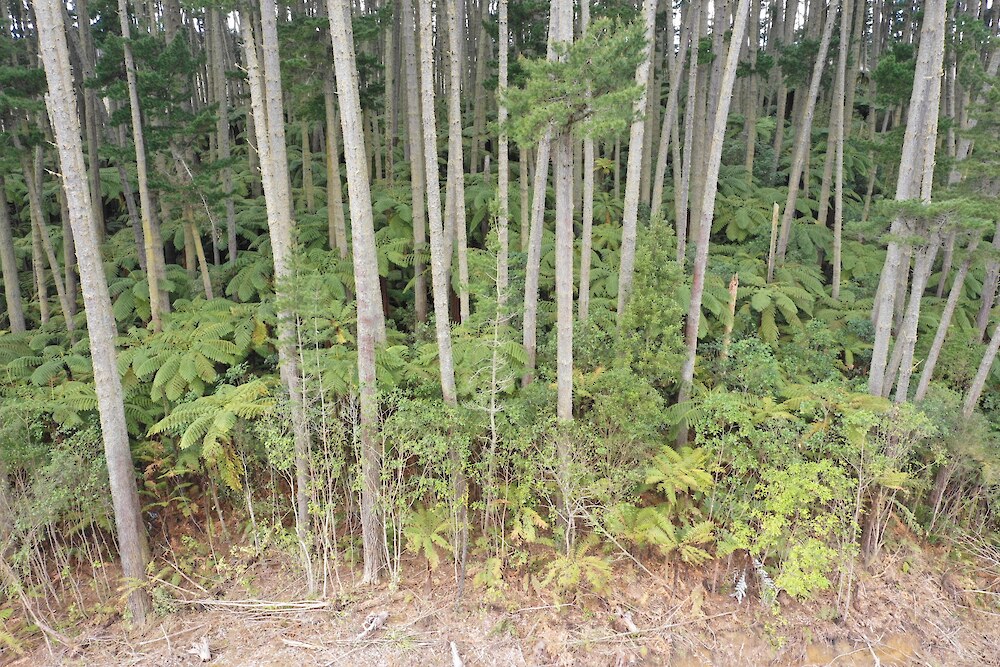
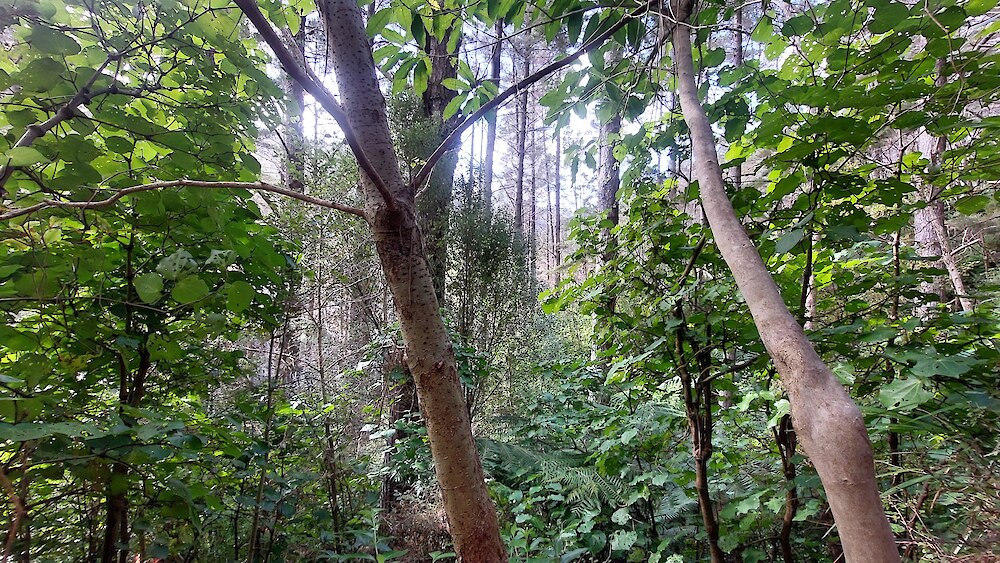
Dense native understorey beneath mature radiata pine, illustrating how native regeneration can provide a foundation for native forest succession.

Radiata pine can act as a nurse canopy, providing shelter for native regeneration. As the canopy opens through ageing, disturbance or management, native species can gradually replace the pines, eventually forming a native-dominated forest suited to local conditions.

This approach is especially relevant on steep, erosion-prone land where harvesting is uneconomic, unsafe or environmentally risky. Continuous forest cover can reduce erosion and downstream impacts, suppress weeds and shelter establishing native species. It may be more practical and cost-effective than large-scale replanting or allowing natural regeneration following clear-fell harvesting.

Transitional forestry aligns with environmental, cultural and policy objectives to increase native forest cover and landscape resilience. Outcomes will vary among forests and regions, and uncertainty remains around intervention levels, transition timeframes and carbon balances as pine declines and native forest develops.
Factors affecting native understorey regeneration

A key question is whether native understoreys beneath radiata pine can progress to native-dominated forest. This depends on site conditions, pine stand structure, seed sources, browsing, weeds, management objectives and intervention levels.

Across New Zealand, native trees and shrubs frequently establish beneath pine canopies, often forming diverse understoreys. However, the extent to which these understoreys may replace the exotic canopy and develop into self-sustaining native forest is less well understood.

Tāne’s Tree Trust investigated these dynamics through three studies: a national analysis of New Zealand’s Land Use and Carbon Analysis System (LUCAS) plot data, a multi-region bioclimatic survey, and a detailed study in Tairāwhiti. Together these studies improve our understanding of the extent, composition and drivers of native regeneration beneath radiata pine.

1. National patterns – insights from the LUCAS study

Native regeneration beneath radiata pine

Vigorous native understorey developing beneath mature radiata pine, illustrating the potential for pine stands to support gradual transition toward native forest.

Analysis of 185 permanent plots from the LUCAS national forest inventory shows that native vegetation commonly develops beneath exotic plantation forests, particularly radiata pine. The study assessed understorey carbon and biodiversity from stems greater than 2.5 cm DBH, using standard allometric equations.

Pine dominated total forest carbon, while native species dominated the understorey and contributed strongly to biodiversity. Most native regeneration consisted of shade-tolerant shrubs, tree ferns, and subcanopy species, while long-lived mature-phase canopy tree species remained relatively scarce. This indicates that most understoreys are still at an early stage of native succession.

Influence of stand age and structure

Native understorey carbon, species richness, and diversity all increased as pine stands aged, while regenerating exotic species, such as radiata pine seedlings and saplings, declined over time. In stands older than 15 years, native understorey carbon was almost double that of younger stands.

Lower-density pine stands supported substantially greater native understorey development, showing the importance of canopy openness and light. Pine provides shelter and favourable microclimates, but dense canopies can restrict regeneration rate and composition.

Native understoreys provide biodiversity and a foundation for succession but remain a minor carbon pool. In the LUCAS plots, planted pine trees accounted for more than 95% of total forest carbon with less than 5% stored in the native understorey.

Key insights from the Lucas study

  • Based on forests managed for timber and with limited browser control, native understorey vegetation is common beneath radiata pine plantations and could provide an important foundation for transitional forestry.
  • Most native regeneration is dominated by shade-tolerant subcanopy trees, tree ferns and shrub species typical of early succession.
  • Older and lower-density pine stands generally support higher native species richness, diversity and understorey carbon.
  • Pine canopies provide shelter and favourable microclimatic conditions for native regeneration, but dense stands can also limit understorey development.
  • Native understoreys contribute to biodiversity and early succession but remain a minor part of the total forest carbon pool compared with the pine canopy.
  • Progression to a native-dominated canopy is likely to require long timeframes and, in many situations, active management such as pest control and seed source enrichment with canopy manipulation when appropriate and practical.

2. Environmental drivers of native regeneration

Dense understorey growth comprising mostly tree fern and broadleaved shrub and subcanopy species within a mature pine plantation, Central North Island.

Climate and topography

The nationwide bioclimatic study examined how climate, topography, stand structure and landscape context affect native regeneration in 80 plots across eight regions, within commercially managed pine aged 20–30 years. Regeneration was strongest with moderate to high rainfall (~1,200–1,500 mm annually), cooler mid-elevations and sheltered southeast- to southwest-facing slopes. Exposed sites with strong winds or high summer radiation were less favourable.

Stand structure and canopy conditions

Native development was greater in taller, older stands, especially where top height exceeded 25 m, suggesting maturing canopies begin to open and improve understorey light. Together, these findings suggest that mature pine stands can provide important shelter for native establishment, while gradual canopy opening may help accelerate transition toward native-dominated forest.

Landscape context and seed sources

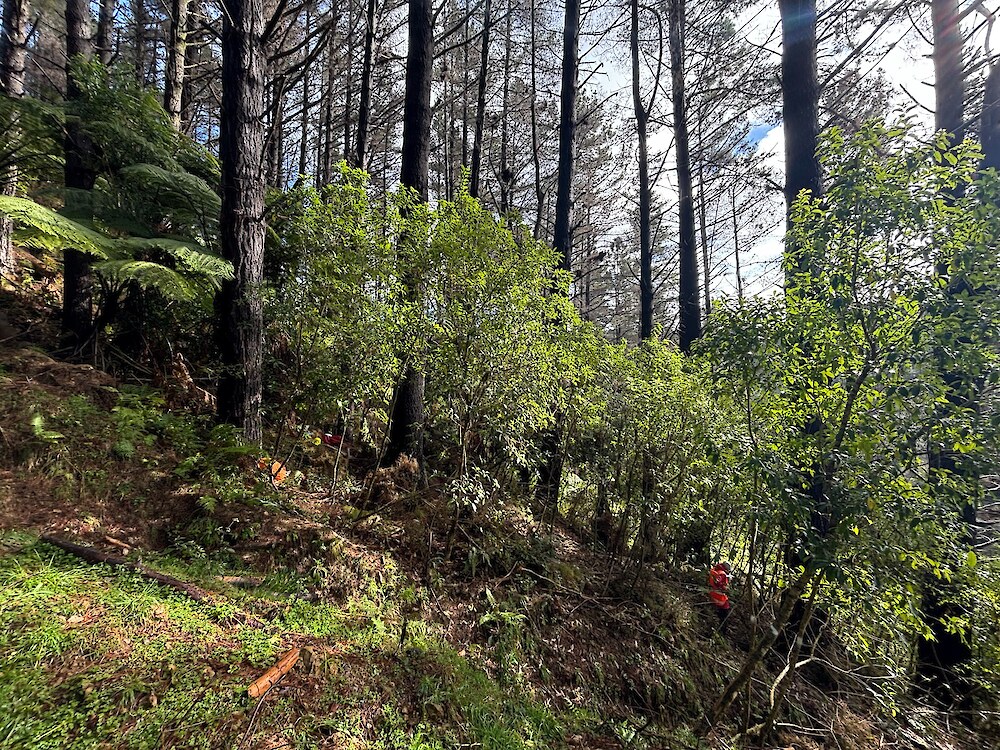
Significant animal browsing of native understorey vegetation from ground level to about 2 m height within a mature 30+ year-old radiata pine plantation, Tolaga Bay, Tairāwhiti. The understorey is dominated by shade-tolerant native broadleaved shrub and subcanopy species, with few later-successional native canopy tree species present. Note the person in high-vis clothing on the right, standing within the relatively open, browsed lower understorey.

Native richness and stem density increased where substantial native forest occurred nearby, reflecting seed-source effects. Regeneration was strongest where native forest covered more than about 30% of the surrounding landscape within 5 km.

This emphasises stand and landscape-scale planning, including connections to native forest remnants. Where remnants are lacking, native seed sources may need to be established.

Influence of browsing pressure

Browsing is a constraint on native regeneration and succession. The study found native woody stem density and species richness declined markedly under moderate to heavy pressure. Animal pest control is therefore likely to be essential in many situations. Overall, the study suggests that conditions for transition are most favourable where native regeneration is already underway and pine stands provide shelter while gradually allowing greater light penetration over time.

Key insights from the bioclimatic study

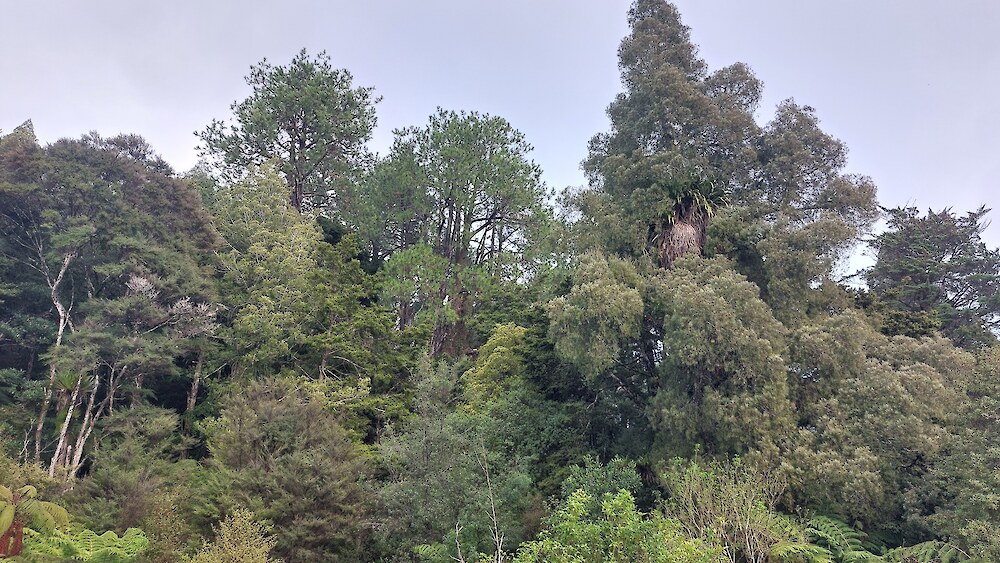
Mature mixed exotic–native forest in Northland. Established native remnants within and around plantation landscapes can provide seed sources that help accelerate native regeneration beneath pine canopies.
  • Native regeneration beneath pine varies strongly with climate, stand structure, landscape context and browsing pressure.
  • Transition is most likely on sheltered sites with moderate to high rainfall, reduced summer moisture stress and limited wind exposure.
  • Older, taller pine stands with gradually opening canopies generally provide better conditions for native understorey development.
  • Nearby native forest seed sources are important, with stronger regeneration where native forest cover is substantial within the surrounding landscape.
  • Dense pine canopies, exposed sites, limited seed sources and moderate to heavy browsing can significantly restrict native regeneration.
  • Successful transition is most likely where natural regeneration is already underway and supported by active management where needed.

3. A regional insight – the Tairāwhiti survey

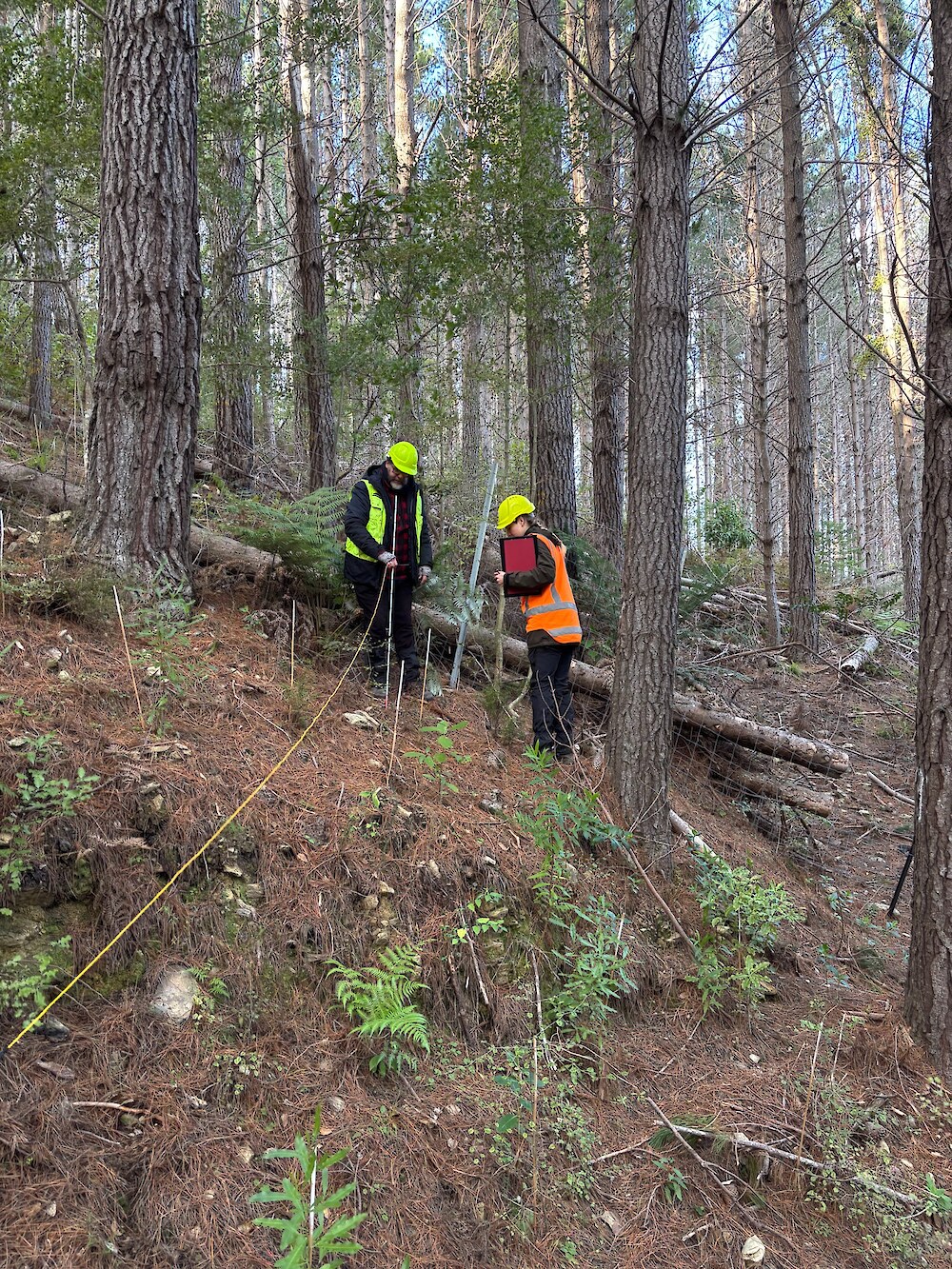
Field measurement plot within a mature radiata pine stand, Tairāwhiti. The regional survey sampled pine stands aged 21–63 years, where understoreys were overwhelmingly native but contributed only about 1.3% of total forest carbon. The person in high-vis clothing indicates scale, highlighting the large pine canopy above the native-dominated understorey.

Native understorey development

A survey of older radiata pine stands in Tairāwhiti provides a regional example of how native understoreys develop beneath plantation forests and broadly supports the findings of the national LUCAS study. The study assessed 45 plots in pine stands aged 21–63 years (average 37 years).

Native species made up 98–99% of stem density and understorey carbon. Richness and diversity were generally higher than in the LUCAS survey, probably reflecting older stands and favourable conditions. Shrubs made up more than 75% of stem counts, while larger subcanopy trees and tree ferns contributed most understorey biomass and carbon. Understorey carbon was only about 1.3% of total forest carbon, which remained dominated by pine.

Influence of stand structure and age

Native understorey carbon, stem density and species richness increased strongly with pine age and were lower in more densely stocked stands. Older, more open pine stands supported more advanced understoreys, but late-successional native canopy species were only beginning to reach sapling and tree size. Full native canopy dominance is therefore likely to take many decades.

Constraints on forest transition

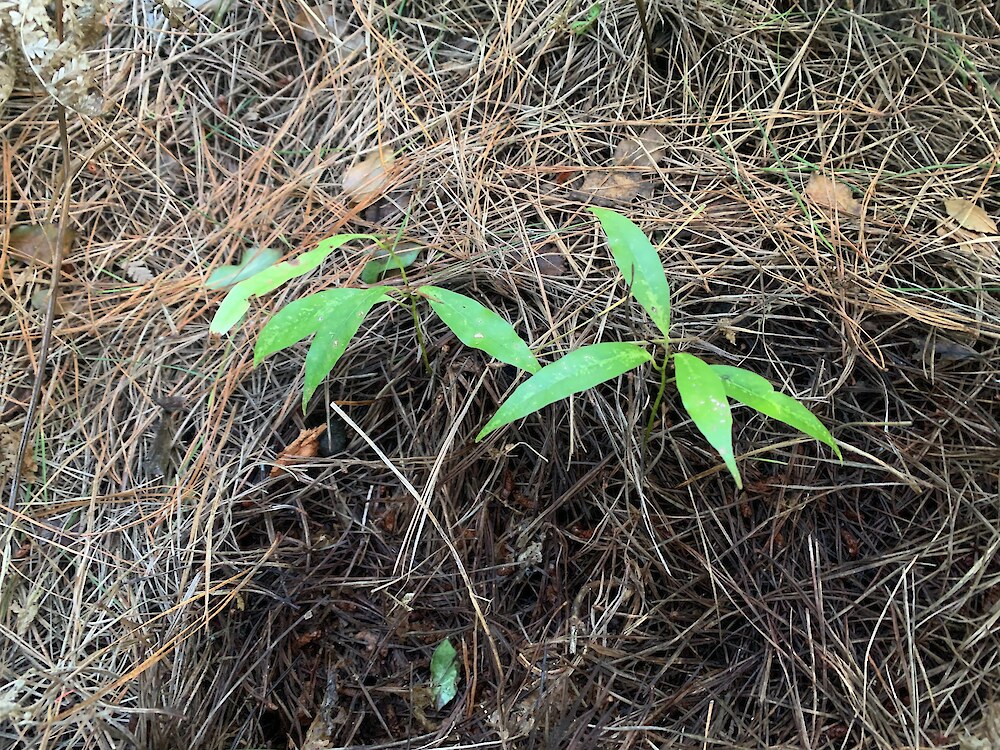
Tawa seedlings regenerating naturally through the duff layer of pine needles within a mature pine plantation, Tairāwhiti.

Browsing pressure from deer and goats was widespread, with cattle also an issue at some sites. Browsing appeared to be one of the major constraints limiting regeneration and progression toward later-successional forest stages. Dense pine canopies also restricted understorey development. Exotic weeds were generally minor and concentrated near disturbance such as roads and infrastructure, suggesting intact pine canopies can suppress weed invasion while sheltering native regeneration.

Distance from native seed sources had relatively little influence within this landscape, perhaps because many Tairāwhiti forests contain nearby but limited native seed sources, although widespread browsing may also affect this result.

Overall, the Tairāwhiti study suggests that the basis for transition from exotic plantation forest to native forest is present but that exotic browsers are holding the transition back.

Key insights from the Tairāwhiti survey

  • Older Tairāwhiti pine stands supported well-developed native understoreys, with native species comprising 98–99% of both stem numbers and understorey carbon.
  • Shrubs dominated stem numbers, while subcanopy trees and tree ferns contributed most of the understorey carbon.
  • Despite this strong native understorey, pine crop trees still dominated total forest carbon, with understorey carbon averaging only about 1.3% of the total.
  • Native understorey carbon, stem density and species richness increased with stand age.
  • Late-successional canopy species were generally only beginning to establish, indicating that transition to mature native forest is likely to take many decades.
  • Browsing by deer, goats and cattle, along with dense pine canopies, were key constraints on native forest development, while exotic weeds were generally limited.
  • Transition may be more achievable on favourable sites and landscapes, such as those surveyed in Tairāwhiti, provided browsing is managed.
Steep, erosion-prone hill country in radiata pine, highlighting the risks of conventional clear-fell harvesting and the need for site-specific, adaptive transition management.

Steep, erosion-prone hill country in radiata pine, highlighting the risks of conventional clear-fell harvesting and the need for site-specific, adaptive transition management.

Adaptive management in practice

Many radiata pine stands are already established on steep, erosion-prone land where clear-fell harvesting may be uneconomic or environmentally unacceptable. Decisions on their future management often need to be made before transition pathways, timing and intervention requirements are fully understood.

Land managers will need to use the best available information, clear objectives, early site assessment and an initial transition plan, implementing actions alongside monitoring so interventions can be tested and refined.

This “adaptive management” approach allows transitions to proceed at operational scale while progressively reducing uncertainty and improving outcomes as experience and knowledge develops.

Transition pathways, timeframes and carbon

Tāne’s Tree Trust has developed a model which predicts long-term carbon sequestration in a transition forest. The model uses existing radiata pine growth models to predict pine sequestration over the lifetime of the pine forest, data from the Tairāwhiti study to model sequestration in the native understorey, and existing native forest growth functions to predict sequestration in the native forest which may ultimately replace the pine forest.

The model is driven mainly by how quickly the pine canopy declines or is reduced, and the type of native forest developing beneath it. The longevity of radiata pine left unharvested is unclear, but a reasonable estimate is about 90-170 years. A scenario in which the pine canopy gradually declines or is reduced over this period was therefore used as a baseline. Two other scenarios representing intermediate and rapid decline or reduction of the pine canopy, either through management (e.g., poisoning) or natural disturbance events, were also modelled. Outcomes also depend on site, seed sources and browsing. Four native forest types illustrate likely trajectories:

  • Mānuka/kānuka – early successional shrub-tree systems on sites with limited seed sources or high browsing pressure.
  • Tōtara – sites where canopy species are present but browsing favours less palatable species and constrains forest diversity.
  • Coastal broadleaved – diverse lowland forests where seed sources are abundant and browsing is well controlled.
  • Kānuka/red beech – southern forests with good seed sources and low browsing, capable of developing into diverse forest systems.

Total forest carbon is likely to decline during transition because native understorey cannot immediately replace carbon lost as pine declines. Management can influence when this carbon dip occurs, its severity and how quickly native forest responds to increasing light.

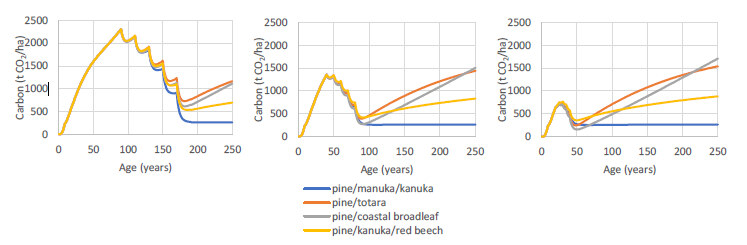
Figure 1 shows slow, intermediate and rapid transition scenarios. Each begins with rapid pine carbon accumulation, then shows how total carbon may change as pine is replaced by four native forest types.

Figure 1: Carbon sequestration under three transition scenarios (tCO₂/ha): slow (left), pine canopy gradually eliminated over ages 90–170 years; intermediate (middle), 40–80 years; rapid (right), 20–40 years. Coloured lines show the four native forest types above. Pine carbon is based on the national radiata pine average.

Figure 1: Carbon sequestration under three transition scenarios (tCO₂/ha): slow (left), pine canopy gradually eliminated over ages 90–170 years; intermediate (middle), 40–80 years; rapid (right), 20–40 years. Coloured lines show the four native forest types above. Pine carbon is based on the national radiata pine average.

Three modelled transition scenarios

Slow transition scenario: Pine is retained for many decades and reduced incrementally, naturally or through management, between about 90 and 170 years. This can help maintain site stability and high carbon stocks for longer and may retain carbon income for pest and weed control. Native dominance is delayed, and a marked carbon drop occurs when pine eventually declines before native biomass can compensate.

Intermediate transition scenario: Pine canopy reduction (natural or managed) occurs earlier, around 40–80 years. The carbon dip arrives sooner, but native forest begins contributing earlier. This may suit managers seeking to reduce dependence on pine over a shorter timeframe without abruptly removing canopy cover.

Rapid transition scenario: Pine canopy is reduced at about 20–40 years, bringing forward native dominance but also reducing pine carbon and potentially short- to medium-term carbon income earlier. It generally requires more active management and may increase weed-control needs.

Forest type

A heavily browsed site where deer have reduced the understorey within this mature pine plantation in the Tairāwhiti region to unpalatable small-leaved twiggy shrubs.

The four coloured lines in each graph show that the future native forest type can matter as much as the timing of pine removal. Mānuka/kānuka and tōtara pathways represent more constrained sites with limited seed sources, heavy browsing or poor recruitment of diverse canopy species. Mānuka/kānuka forests store less carbon than taller forests unless management improves the trajectory.

Coastal broadleaved and kānuka/red beech represent more favourable conditions with good seed sources and low browsing, resulting in taller, more diverse forest with greater long-term carbon storage and resilience.

Balancing transition speed, carbon and forest development

There is no single optimum transition pathway. How quickly the pine canopy is reduced will influence both carbon storage and the rate at which native forest develops. Retaining pine longer can protect short- to medium-term carbon stocks and reduce abrupt site disturbance but will generally delay native dominance. Earlier canopy reduction can accelerate transition but brings forward the carbon dip and may require more intensive and costly management.

Whatever pathway is chosen, the best long-term outcomes are likely where browsing is controlled, adequate native seed sources are present or supplemented through planting, and native canopy species successfully recruit into the upper forest tiers.

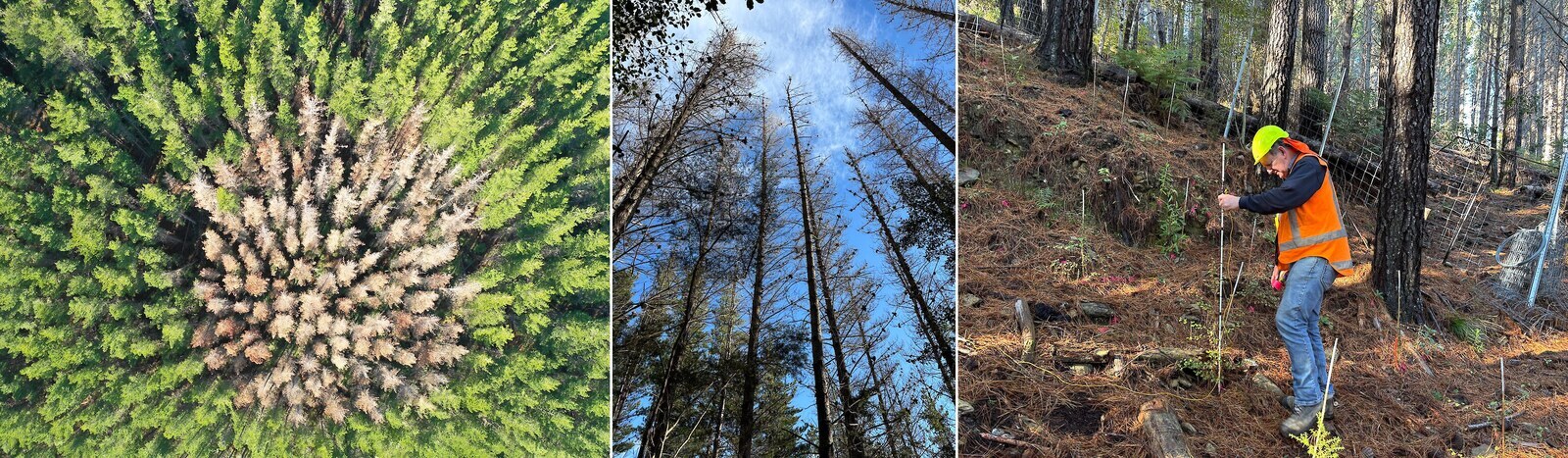
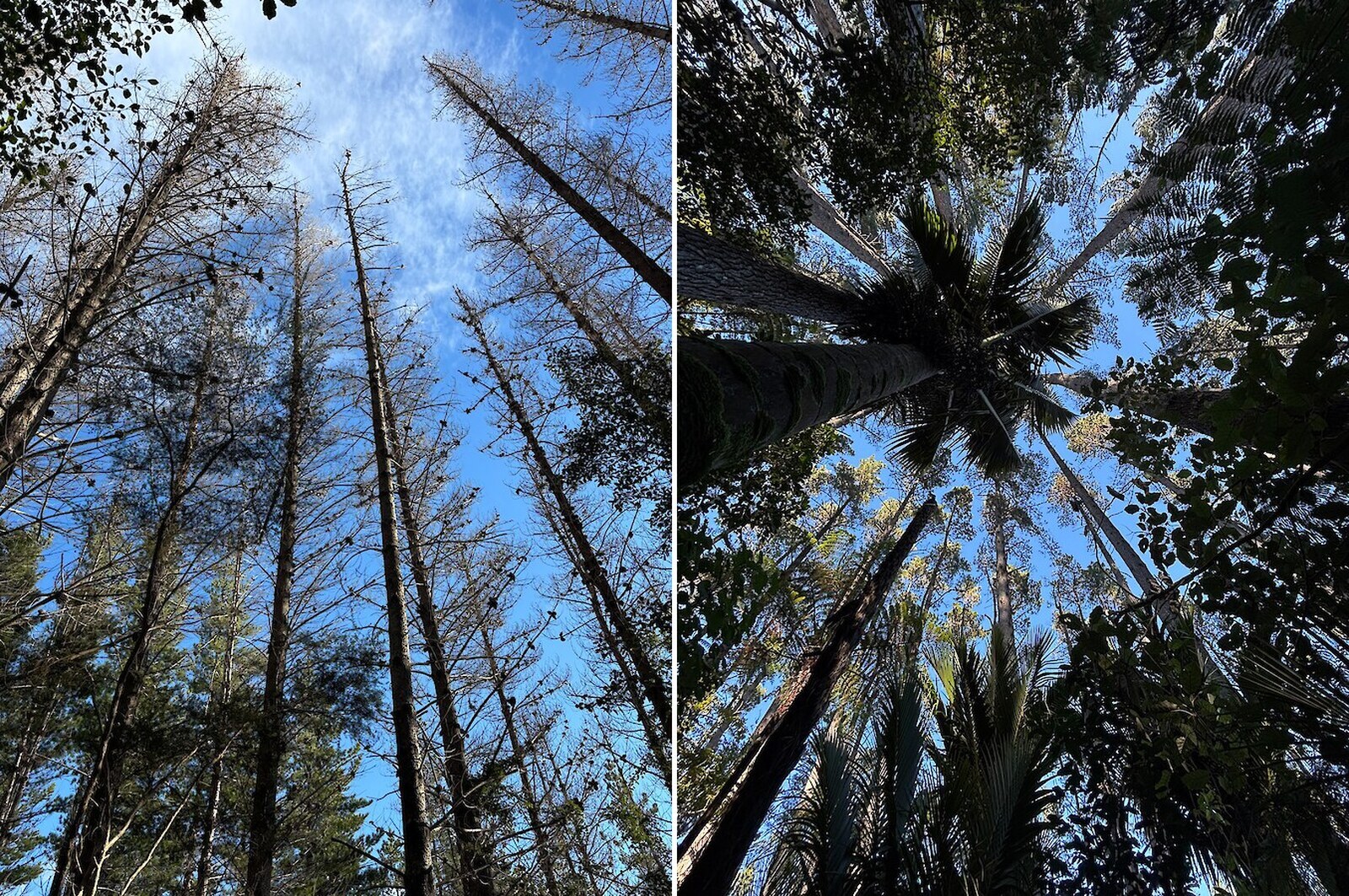
Aerial view of the poisoned pine plot in the canopy control trial, Maitai Forest, Nelson (left). Looking up through the poisoned pine canopy one year after treatment (centre). Remeasurement of natives planted within the canopy control trial one year after establishment (right).

Transition management sites

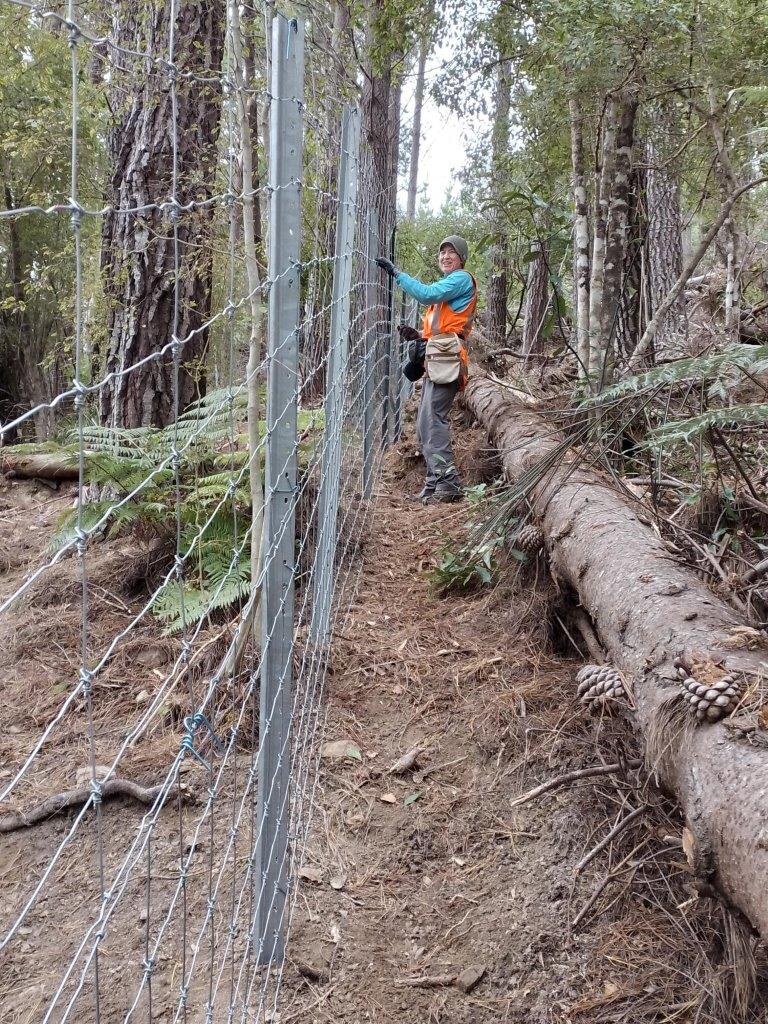
A 1.9m high ungulate exclusion netting fence constructed within the canopy control trials to compare browsing pressure on planted and naturally regenerating understorey, Maitai Forest, Nelson.

TTT has established transition management sites in three different regions: Omahuta Forest, Northland; Whangapoua Forest, Coromandel; and the Upper Maitai catchment, Nelson. They span different stand ages, climates, seed sources, browsing pressures and management contexts.

The sites are being used to assess practical interventions that may help guide radiata pine stands toward native forest over time, including:

  • Retained pine canopy compared with poisoned standing pines to assess the effects of canopy shading,
  • Fenced and unfenced areas to assess ungulate browsing impacts, and
  • Planted and unplanted areas to compare supplementary planting with natural regeneration

Paired canopy treatments and fenced/unfenced plots monitor native understorey development, planted seedling performance, weeds, canopy openness and browsing. Fencing demonstrates browser effects rather than a practical landscape treatment, highlighting the need for sustained pest control.

Together, the trials are assessing how pest control, supplementary planting and canopy management can support native forest development while retaining sufficient canopy cover to protect the site. Further results will be reported as monitoring continues.

Monitoring progress

Native forest development takes decades, and transition from exotic forest is shaped by site conditions, disturbance, pine canopy density and management. Monitoring is essential to track progress, assess whether management is working and identify emerging risks throughout the transition.

Transition forests may not replicate historic ecosystems, but they can develop into resilient, diverse, self-sustaining native-dominant forests suited to the site and management objectives. Monitoring provides an early indication of whether they are moving in this direction while pine still dominates.

What to monitor

Key indicators of progress include:

  • Pine canopy condition, canopy openness and changes in forest structure,
  • Native regeneration, especially recruitment of native canopy tree species,
  • Species composition, diversity and development of forest layers including palatable species over time,
  • Survival and growth of planted natives, including ‘seed islands’ where used,
  • Browsing damage, weed invasion and other emerging threats,
  • Site condition, including slope stability and effects of canopy disturbance, and
  • Carbon trends where these are important to management objectives.

Monitoring methods

Field workers undertaking long-term monitoring of native regeneration, planted seedling performance and browsing impacts beneath radiata pine, comparing areas with and without canopy manipulation to assess the potential for transition toward native forest.

Permanent sample plots (PSPs) provide robust long-term data on forest growth, structure and carbon; RECCE plots assess species composition across vegetation tiers; and paired plots or comparison areas can test canopy, pest-control or planting interventions.

Ground-based monitoring provides detailed information on the survival and growth of planted natives, recruitment of naturally regenerating seedlings and saplings, species composition, browsing, weed competition and changes in forest structure. These measurements also provide essential reference data for calibrating and validating information derived from remote sensing.

Remote sensing, including LiDAR, aerial photography, drone imagery and satellite imagery, can extend monitoring from individual plots to whole stands and landscapes. It can help assess canopy height and cover, gaps, disturbance and changes in forest structure across large areas and over time. Remote sensing can contribute to estimates of biomass and carbon where supported by appropriate field measurements. Some remote-sensing methods may also provide indicators of forest structural diversity, but ground-based monitoring remains important for assessing plant species richness and diversity, as well as threats such as browsing impacts and regeneration beneath closed canopies.

Ground-based and remote-sensing methods are complementary. Used together, these approaches can provide a stronger basis for tracking forest transition and informing adaptive management throughout the transition process.

Using monitoring results

Evidence gathered over time can help refine decisions about where pest control is needed, whether canopy manipulation is useful, seed-island spacing where seed sources are limited, and the native seedling and sapling densities required to achieve the desired forest structure. Uncertainty remains around long-term carbon, rates of native development under pine and how management influences transition pathways.

Monitoring should be built into the management plan from the outset, with results used to refine actions over time. This is critical for managing uncertainty, confirming whether objectives are being met, and keeping transitions on track.

A practical pathway to resilient native forest

Transitional forestry can retain forest cover on steep, erosion-prone land while guiding radiata pine toward permanent native forest, especially where clear-fell harvesting is uneconomic, unsafe or environmentally risky. Because transition is long term and complex, clear objectives and early feasibility assessment are essential.

Building on natural regeneration

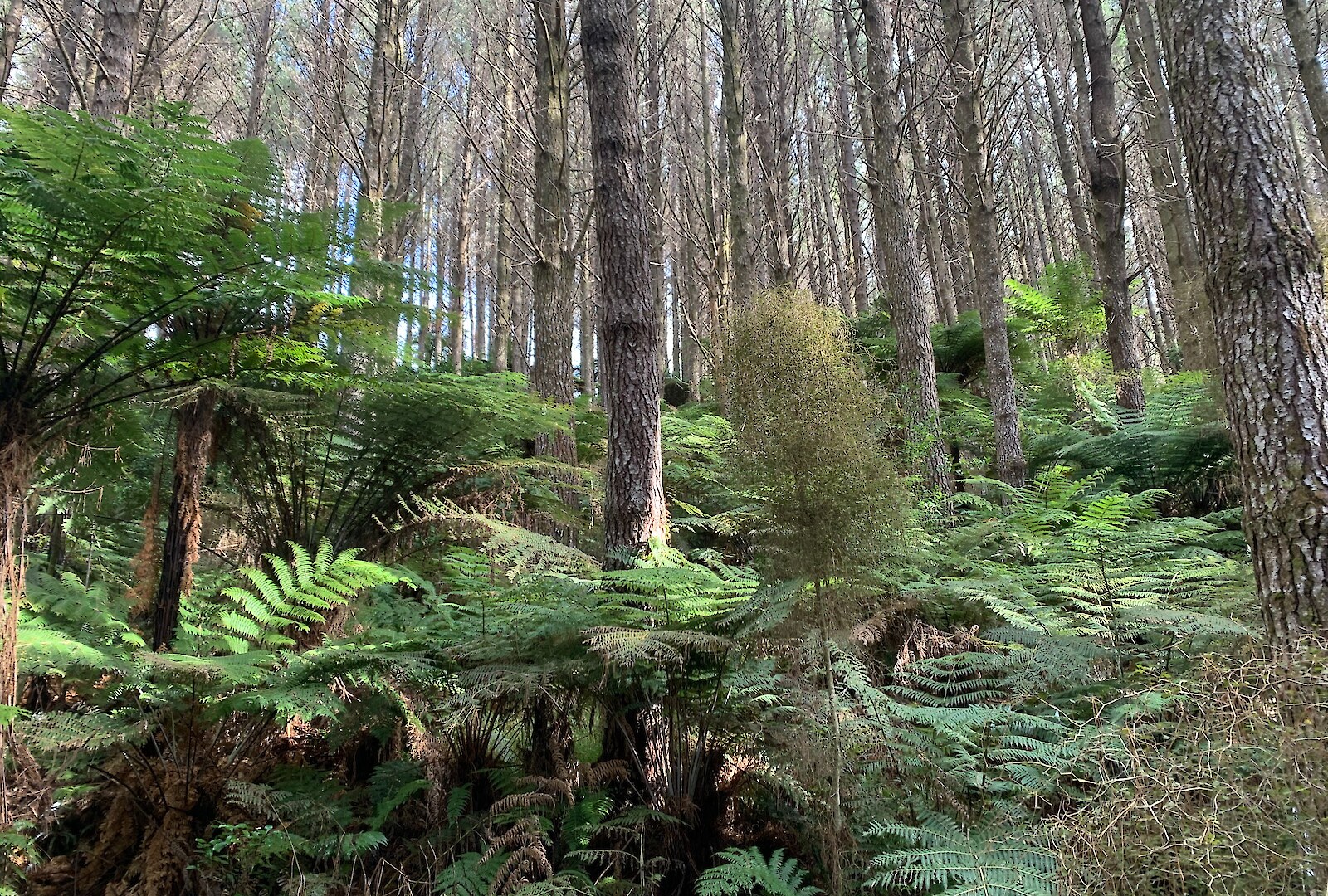
Native understorey developing beneath a mature pine canopy, where shelter and filtered light can support gradual regeneration. Light levels will increase naturally as pines age and thin, or through managed canopy opening such as thinning, ringbarking, poisoning or staged tree removal.

Many older and lower-density pine stands already support native understoreys. The aim is to encourage seedlings, saplings and understorey species into higher tiers as the pine canopy opens through natural thinning, ageing and senescence, or through managed thinning, poisoning, ringbarking or staged felling. Transition trajectory depends strongly on browsing and seed supply, including recruitment of mature-phase canopy species.

Any canopy manipulation must increase light without promoting weeds, browsing damage, windthrow, erosion or sudden loss of shelter. A gradual, staged approach is generally preferable, allowing native regeneration to respond while retaining enough pine cover to protect the site.

Managing the essentials

No single pathway suits all forests. Management should reflect site conditions, existing regeneration, seed supply, browsing, pine structure, landowner objectives and timeframe. Use the minimum intervention needed, balancing speed, cost, risk, carbon and other values. Key requirements include:

  • Pest animal control — sustained control of browsers and other animal pests, including deer, goats, possums, rats and mice where they are limiting regeneration, to protect palatable native species and support recruitment into the canopy. Predator control will enhance the spread of seed and natural regeneration.
  • Weed control — monitoring and controlling weeds, particularly shade-tolerant weeds and climbing vines.
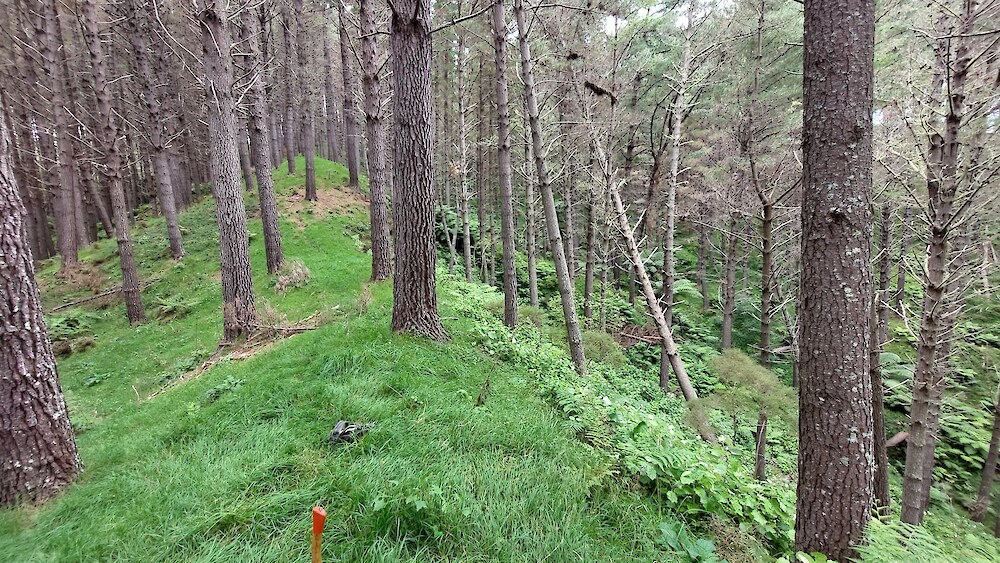
A heavily browsed site in mature pines, Tairāwhiti. Note grass and tree fern dominance on ridges where deer and goats often prefer to camp. Understorey growth is often better in gullies and southerly-facing slopes.
  • Targeted planting — using supplementary planting or ‘seed islands’ where local native seed sources are limited or mature-phase canopy species are poorly represented.
  • Canopy management, where needed — selectively increase light without abruptly exposing steep or fragile sites. It may be unnecessary in older stands or where slower transition is acceptable.
  • Monitoring — tracking native regeneration, planted seedling survival, canopy change, weeds, browsing damage, site stability, carbon implications and progress against objectives.

Targeted planting, not blanket planting

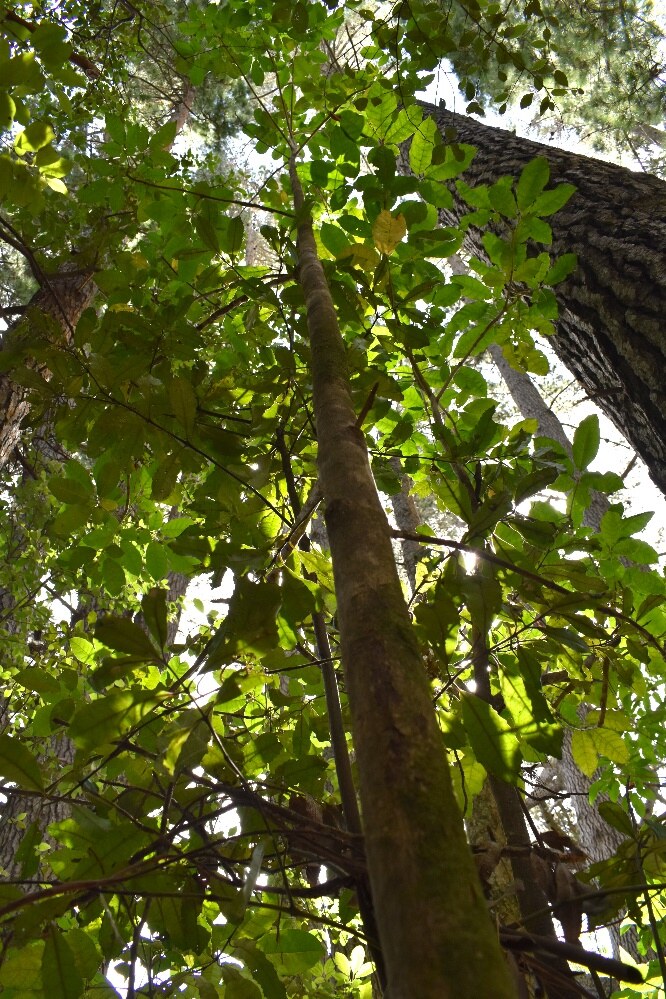
Native regeneration developing of native broadleaved tree species beneath 40-year-old, unthinned pine, where existing seed sources and natural recruitment may be sufficient without supplementary planting or seed islands. Targeted planting is most useful where seed sources are limited or key native canopy species are poorly represented.

Blanket planting is usually impractical at scale because of cost, access and maintenance. Planting can instead be targeted to canopy gaps, gullies, riparian margins, forest edges, open stands and links between native remnants.

Strategic planting can increase seed supply, habitat diversity and connectivity, strengthen riparian and slope stability, and introduce mature-phase canopy species. Small fenced ‘seed islands’ can temporarily protect high-value plantings but do not replace landscape-scale pest control. Where possible, design plantings to deliver multiple benefits, such as providing seed sources, protecting gullies and riparian areas, and creating fire breaks.

Managing risks

While there are risks associated with clear-fell forestry and restoring native forest after harvesting on steep land, transitioning unharvested exotic forest also carries risks. Retaining some pine cover during transition can help maintain site stability, shelter, weed suppression and carbon storage or revenue while native forest structure develops.

Risks include windthrow, landslides, weeds, browsing, falling trees and uncertainty over native canopy establishment. Fire is a risk in all forests, but mature, diverse native forest is generally less fire-prone than pine-dominated stands and highly flammable early-successional vegetation such as mānuka and kānuka. Unknowns remain around long-term carbon, slope stability, canopy replacement rates, required native stocking and optimal management. A temporary carbon decline is likely whether pine is reduced quickly or slowly because native growth initially lags the loss of pine biomass, with implications for ETS or other carbon objectives.

The two key risks to transitional forestry and native forest development are limited native seed sources and, where native regeneration does occur, browsing that suppresses understorey growth and diversity.

Pine canopy poisoned two years earlier (left) allows more light for the understorey than the adjacent untreated control (right). Native regeneration is responding (and at some sites so too are the weeds), but browsing limits recruitment and development of palatable species.

Transitioning toward native forest

Transitional forestry is a long-term, staged and site-specific process. There is no single pathway, and management will need to respond to how each forest develops over time. Key decisions will include:

  • where and when pest and weed control is required,
  • where strategic planting, including seed islands, is needed,
  • whether and how the pine canopy should be managed,
  • the density and mix of native regeneration needed to develop the desired forest structure, and
  • the timing and sequence of transition.

Success will depend on working with natural regeneration, addressing the factors that constrain it, and adapting management as the forest changes. With careful, adaptive management, transitional forestry can support more resilient landscapes, greater biodiversity, improved catchment health and permanent native forest cover.

More information

Transitioning Exotic Forest to Native – Preliminary Guidelines for Transition
Meg Graeme, Paul Quinlan, Michael Bergin, Mark Kimberley, David Bergin, Adam Forbes.
Tāne’s Tree Trust, February 2026.
Downloadable here: https://www.tanestrees.org.nz/projects/transitioning-exotic-forest-to-native/

Native forest factsheets series

These factsheets on establishing native forest have been compiled by Tāne’s Tree Trust with funding from Te Uru Rākau’s One Billion Tree Partnership Fund with support from The Tindall Foundation and Trees That Count. Others providing information and undertaking peer review include Scion, Auckland University of Technology, Northland Totara Working Group, iwi, landowners and selected local authorities and government departments.

Information and recommendations are provided by Tāne’s Tree Trust in good faith based on interpretation of information collated and reviewed which must be assessed by users on a case-by-case basis and/or specific technical advice for their sites. Accordingly, Tāne’s Tree Trust is not liable on any ground for any loss, claim, liability or expense arising from or due to any errors, omissions or advice provided within these factsheets.

Cite this factsheet as: Graeme M, Quinlan P, Bergin M, Bergin D. 2026. Transitioning pine plantations to native forest. Establishing Native Forests factsheet series, Factsheet No. 19. Tāne’s Tree Trust. 15 pp. https://docs.tanestrees.org.nz/1702

Tāne’s Tree Trust

© 2026 Tāne’s Tree Trust • Website by RS

  • Home
  • The basics of planting natives
  • Ecosourcing of native species for planting
  • Site preparation for planting natives
  • Getting ready for planting
  • How to plant native seedlings
  • Natural regeneration of native forests
  • How to establish "seed islands" of natives
  • Planting nurse species – the concept of succession
  • Establishing a woodlot of native trees
  • Environmental values of native forests
  • Cultural and social benefits of native forests
  • Economic potential of native forests
  • Planting native forest – selecting the right species for the right site
  • Monitoring success of planted natives
  • Collecting and handling seed of native trees and shrubs
  • Resilient native forest in an era of climate change
  • Converting clear-felled exotic plantation forest to native
  • Selecting the right nursery-raised native seedlings for planting
  • Transitioning pine plantations to native forest
  • About
  • TTT home